
Melbourne Castellated Cladding
Melbourne Castellated Cladding offers durable and stylish design options for residential and commercial projects. Choose from a range of premium composite decking and wall panel solutions tailored to Melbourne’s building standards and climate.
Call Now!
Advantages of Castellated Cladding for Melbourne Homes
How Does It Enhance Energy Efficiency?
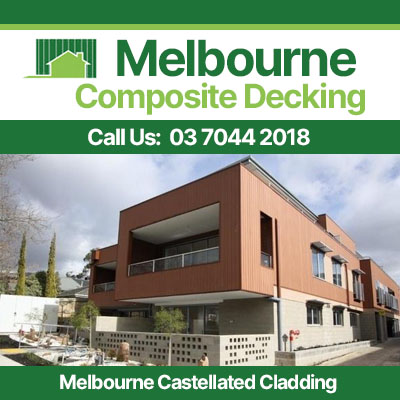
Castellated cladding helps improve energy efficiency in both residential and commercial buildings in Melbourne. It meets strict building standards and provides strong insulation that reduces heat loss in winter and limits heat gain in summer. This improves thermal performance and keeps indoor temperatures steady, which lowers the need for heating and cooling. As a result, energy bills go down and your carbon footprint shrinks.
This type of cladding fits well with sustainable Australian architecture. It is made from durable materials like timber, composite wood, and aluminium, which can handle tough weather while protecting the building. The lasting quality means less frequent repairs or replacements, supporting eco-friendly building methods.
Choosing castellated cladding means getting an energy-efficient and sustainable solution that keeps your home comfortable while respecting the environment.
What Are the Acoustic Benefits?
Castellated cladding offers good acoustic benefits, such as sound insulation and noise reduction. It works well for both homes and commercial spaces by cutting down outside noise and making interiors quieter and more comfortable.
The materials used timber, composite wood, and aluminium are strong and reliable. When installed as wall cladding or feature walls, castellated panels block unwanted noise, creating better living and working conditions. This is especially useful in busy urban areas where noise can be distracting or reduce focus.
Using castellated cladding lets Melbourne homeowners and businesses enjoy quieter spaces with strong protection from external sounds.
Does It Offer Improved Fire Resistance?
Fire resistance is very important for cladding materials, especially in Australia where fire risk varies across regions. Castellated cladding follows strict building standards to provide rated fire protection for homes and businesses.
It is made from treated timber species, fire-retardant composite wood, and aluminium—all chosen for their safety and strength. These materials are treated to resist fire while keeping the cladding’s look and structure intact.
With castellated cladding, you improve your property’s safety without losing quality or durability.
Is It a Sustainable Material Choice?
Sustainability plays a big role in choosing building materials, and castellated cladding is an eco-friendly option. Many products use recycled materials like composite wood and timber from responsible sources, which lowers the environmental impact from production to installation.
Its long life also helps reduce waste by lowering how often cladding needs replacing. Aluminium adds to sustainability since it can be recycled and requires little maintenance.
By using castellated cladding in Australian architecture, you support green building practices. Proper care can keep it working well for a long time, backing eco-friendly living and working spaces.
Are you thinking about castellated cladding for your Melbourne property? Contact our team at Composite Decking in Melbourne for expert advice on picking the best energy-efficient, fire-resistant, and sustainable cladding solutions. If you have questions about installation or upkeep, leave a comment below or get in touch, we are ready to assist you.
Styles and Applications of Castellated Panels
Where Can These Panels Be Used?
Castellated panels are a flexible cladding choice suitable for both indoor and outdoor use. Their unique design improves the look of different spaces while offering practical benefits like privacy and durability. Common uses include:
- Facade and Wall Cladding: These panels work well for residential and commercial exterior walls, adding texture and depth to building facades.
- Screening and Privacy: Ideal for pergolas, fences, balconies, and gardens, castellated panels provide privacy without blocking airflow.
- Feature Walls and Entrances: Use them to create eye-catching entrances or interior feature walls that add a modern, sophisticated feel.
- Commercial and Residential Spaces: Whether upgrading an office or improving a home’s exterior, these panels offer sturdy, weather-resistant solutions for many environments.
Made to resist harsh weather, castellated panels suit the Australian climate well. For a stylish and practical upgrade to exterior walls or indoor partitions, these panels are a strong option.
Which Designs Are Suited for Modern Architecture?
Modern architecture values clean lines, function, and style. Castellated panel designs fit well with these ideas. Popular design features include:
- Sleek and Contemporary Profiles: Minimalist shapes with sharp edges give a clean, architectural look that matches modern building styles.
- Shadowline Effects and Dimensionality: These panels produce shadows that add depth and interest to facades without making them busy.
- Versatile Finishes: Available in smooth, seamless surfaces or textured profiles, they match many materials common in Melbourne and Australian architecture.
- Stylish and Sophisticated Cladding: Castellated panels offer a fresh alternative to traditional cladding, balancing looks with function for a unique finish.
These panels work well in new buildings and renovations that aim for a modern yet timeless appearance.
Can It Be Integrated with Existing Structures?
A major benefit of castellated panels is how easily they fit with existing structures. This makes them a good choice for retrofits and upgrades. Advantages include:
- Compatibility and Adaptability: Designed to fit with different framing systems, castellated panels can be fixed with clips or other methods for a secure installation.
- Simple Installation Process: They are easy to install, which reduces time during renovations and allows fast upgrades with little disturbance.
- Blend and Complement Existing Cladding Options: In Melbourne’s varied construction market, these panels enhance current cladding without needing big structural changes.
- Meeting Building Standards: They follow Australian building codes and provide solid structural support along with straightforward maintenance.
For property owners and builders wanting options that fit well with current buildings and local rules, castellated panels deliver reliable and attractive solutions.
What Are the Advantages of Aluminium?
Aluminium is a top choice for castellated cladding solutions in Melbourne. It is durable and weather-resistant, making it suitable for Australia’s varied climate. Being lightweight, aluminium reduces the load on buildings and makes installation easier. Its corrosion-resistant nature helps it last longer, especially in coastal or humid areas.
This material offers a sleek, modern look that enhances building facades. Aluminium cladding comes in many colour options to fit different design styles. It is sustainable and recyclable, supporting eco-friendly building practices. Aluminium also meets Australian building standards and is often fire rated, adding safety and strong performance.
Aluminium requires little maintenance, which makes it cost effective over time. Many suppliers offer good warranties for aluminium cladding. Overall, aluminium provides a mix of style, function, and sustainability in Australian cladding projects.
Are There Composite Wood Alternatives?
Composite wood products like Perma Composites and WPC (Wood-Plastic Composite) are good alternatives to traditional timber for Melbourne cladding. These products use recycled materials, making them eco friendly and reducing waste. Composite wood is weather resistant and needs very little care—no oiling or staining is required to keep it looking good.
Composite wood resists termites, is durable, and has a surface finish that does not fade or crack easily. It gives a synthetic look that closely resembles natural timber texture, appealing to those who want low-maintenance but attractive cladding.
Installation is simple and manufacturers provide clear guides. While prices vary, composite wood usually saves money over time because of its low upkeep needs. It also comes with warranties and positive customer reviews. These features make composite wood a trusted alternative for cladding in Melbourne.
Which Timber Species Are Most Durable?
Choosing timber for castellated cladding in Melbourne means focusing on durability and resistance to weather. Hardwood species such as Blackbutt, Spotted Gum, Ironbark, and Merbau are known for their natural strength and resistance to rot. These timbers stand up well to harsh weather and need less maintenance.
Softwoods like Western Red Cedar, Hazelwood, Canadian Hemlock, European Alder, and European Spruce offer lighter weight options with appealing grain patterns. Treated pine is a cheaper choice but usually requires more upkeep.
Shou Sugi Ban (charred timber) treatment adds fire resistance and unique texture to timber, combining traditional methods with eco-friendly goals. Teak is also valued for its durability and rich colour but is more expensive.
All these timber species meet Australian building material standards and have warranties reflecting their lifespan. Proper care helps keep timber panels beautiful and lasting, making timber a premium and eco-friendly option for Melbourne cladding.
What are the Latest Trends in Material Finishes?
Material finishes greatly affect the look and durability of castellated cladding. Current trends in Melbourne favour finishes that protect while looking modern and sustainable.
Popular colours include charcoal black, silver, black, and natural wood tones. Finishes can be matte, gloss, or textured depending on the style you want. Veneer, painted, and stained finishes add protection from UV rays and weather damage.
Weatherproof coatings increase the life of cladding and reduce maintenance. Shadowline details and smooth textures support the clean designs seen in Australian architecture today.
Sustainability is important, so environmentally friendly finishes that reduce impact without losing durability are popular. Whether you want a bold modern look or a natural feel, these finishes offer long-lasting beauty and strong protection.
Installation and Maintenance Considerations
How Complex Is the Installation Process?
Installing composite decking is usually simple for both residential and commercial projects. The level of difficulty depends on your experience and the system you choose. Many composite decking systems use clips and fasteners for a seamless fixing, which makes the process easier.
Important points to keep in mind during installation:
- Framing and Joist Preparation: Make sure the joists are spaced properly to support the deck.
- Installation Steps: These usually include attaching clips to joists, fixing boards onto clips, and making sure the surface is level.
- Tools and Skills: Basic carpentry skills help. DIYers can handle simple projects, but complex designs may need a professional.
- Time: How long installation takes depends on the project size and skill level. Clip systems often mean faster installation than traditional timber decking.
If you are new to decking installation, following an installation guide or asking an expert will make the process smooth.
What Tools Are Required for Installation?
To install composite decking well, you will need the following tools:
- Power Drill and Screws: For fixing clips and fasteners.
- Saw (Circular or Miter): To cut boards to length.
- Measuring Tape and Levels: For accurate measurements and a flat deck surface.
- Clips and Fixing Hardware: Usually included in the decking installation kit.
- Safety Gear: Gloves, goggles, and ear protection are important for safety.
- Other Equipment: Framing tools, clamps, or a chalk line may be helpful for alignment.
Both professionals and experienced DIYers should find these tools enough for most installations. Having the right tools ready helps avoid delays and improves quality.
What is the Maintenance Schedule?
Composite decking needs little maintenance but following a simple schedule keeps it looking good and lasting longer. Main maintenance tasks include:
- Cleaning: Sweep debris regularly and wash with water and mild detergent. Avoid strong chemicals.
- Oiling: Composite decking does not need oiling, unlike timber.
- Weather Checks: Check for damage after bad weather even though it is weather-resistant.
- Repainting or Sanding: Rarely needed because of the durable finish.
- Routine Inspection: Check clips, fasteners, and boards for damage or loosening from time to time.
Following this care and maintenance schedule keeps your deck eco-friendly, long-lasting, and attractive. Most products have a warranty that reflects their durability and simple upkeep.
How Can Damage Be Repaired?
You can often fix damage to composite decking, such as scratches, cracks, or weather wear, quickly using DIY methods or professional help:
- Minor Scratches: Patch or buff them out using a composite decking repair kit.
- Board Replacement: Remove and replace damaged boards without affecting the rest of the deck.
- Fixing Fasteners or Clips: Tighten or change hardware to keep the deck stable.
- Professional Repair: For bigger damage or restoration, professionals can assist and warranty may cover this.
Having the right tools and knowledge makes repairs faster. If unsure, a professional can save time and ensure a good repair while protecting your deck.
What Does a Professional Installation Cost?
Knowing the cost of professional installation helps plan your budget. Factors affecting price include:
- Labour Costs: Depend on project size, difficulty, and location.
- Site Audit and Quote: An on-site audit gives a clear quote.
- Supplier and Contractor Choice: In Melbourne, prices are competitive. Always get several quotes.
- Extra Costs: Framing, permits, or other trade work may add to the total.
Many installers offer free quotes and advice so you can plan with confidence. Choosing a professional ensures expert installation and lasting results for your decking.
Sourcing Your Melbourne Cladding
Where Can You Find Suppliers?
Finding good castellated cladding suppliers in Melbourne is important for your building project. There are many cladding suppliers in Melbourne offering products that meet Victoria’s building standards. You can buy Melbourne cladding from well-known stores like Bunnings, local trade shops, or directly from factories.
Many suppliers offer delivery and shipping services across Australia. When looking for a supplier, choose one with easy-to-reach customer care by email or phone. Most reliable suppliers have websites where you can check product catalogues, ask for free samples, and place orders online. Visiting the supplier’s address or showroom allows you to see stock and material quality in person.
If you are a trade client, some suppliers provide special discounts, bulk pricing, and flexible payment terms. Reading customer reviews helps you understand the service before buying. Whether you want to shop locally or need delivery, Melbourne’s cladding market has options to suit your needs.
What Should You Look For in a Supplier?
When choosing a supplier, check these key points:
- Warranty and Compliance: Make sure the cladding has a clear warranty against defects and meets Victoria’s building standards.
- Customer Care and Support: Look for professional customer service that offers guides, technical help, and aftercare, including installation tips.
- Quality and Sustainability: Choose suppliers with high-quality, eco-friendly materials.
- Price and Terms: Compare prices, discounts, and payment terms to get good value within your budget.
- Material Details: Check product sizes, specifications, and ask for samples before buying.
- Stock and Delivery: Confirm stock levels, lead times, and delivery options to keep your project on schedule.
- Supplier Reputation: Read reviews and check the brand reputation for consistent quality and service.
These points help you find a supplier who supports your project from start to finish.
How Do Prices Compare Across Different Suppliers?
Prices for Melbourne cladding vary. To find the best price:
- Prices depend on unit cost, quantity, and whether you buy wholesale, retail, or trade.
- For example, prices may start around AUD 0.67 per unit, but this varies by product quality and size.
- Look for sales events like Black Friday, discounts, or free shipping to save money.
- Get several quotes and include shipping and payment terms in your comparison.
- Use price calculators or online carts if available to estimate total costs.
- Focus on value, not just low price. Cheaper products may lack quality or warranty.
- Ask about price matching or bundle discounts for large orders.
Comparing prices and terms helps you choose affordable, quality cladding.
What are the Common Warranties?
Cladding warranties from Melbourne suppliers usually cover:
- Length: Warranties often last from a few years up to 25 years depending on the product.
- Coverage: They protect against defects, material faults, and sometimes colour fading.
- Conditions: Warranties require proper installation and regular maintenance as instructed.
- Claims: Clear steps on how to claim repairs, replacements, or returns.
- Limits: Damage from misuse, weather, or poor handling is usually not covered.
- Support: Many suppliers offer after-sales support, maintenance advice, and warranty documents.
Always read the warranty details before buying. A strong warranty protects your investment and shows the supplier trusts their product.
Are you ready to find the right Melbourne cladding supplier for your project? If you have questions or want advice, contact our customer care team today.
What types of castellated cladding panels are available for outdoor use?
We offer durable castellated cladding panels including louvred, hardwood, and PVC options. These panels are made for exterior use and come in various colours like antique and ebony. They work well for verandas, beach areas, and garden screening.
Can you supply castellated cladding to Werribee and other parts of Victoria?
Yes, we supply castellated cladding across Victoria, including Werribee, Gippsland, and Highett. Orders placed by Friday are usually processed for delivery early the next week.
Are accessories and fixings available to help install castellated cladding?
Yes, we provide fixings, pedestals, joist supports, and stair treads to make installation easier. We also have guides and FAQs to help installers with their projects.
Can castellated cladding be used for sauna panelling or flower garden screening?
Yes, our cladding can be used for Canadian-style saunas, garden privacy screens, and around boxes or facias for a clean finish.
Do you offer timber varieties like European Aspen, Cherry, or C75 hardwood for panelling?
We supply different timber types such as European Aspen, Cherry, and C75 grade hardwood. These are suitable for flooring and decorative wall panelling.
How do you ensure product quality and compliance for 2025 and beyond?
All products meet industry standards and come with PDF specifications on request. We offer melamine-coated panels that require no oiling for easy care.
What are the ordering and delivery terms?
You can order online through our secure portal and add items to your cart easily. Some products need lead time, but we aim to ship orders promptly on Mondays.
Can castellated cladding be used with cement or chippy trade materials?
Yes, our panels work well with cement and chippy trade materials. They are good for both residential and commercial buildings needing strong and stylish cladding.
Melbourne Castellated Cladding Insights
- We supply premium castellated cladding and building materials across Melbourne, Victoria, including durable options like blackbutt, merbau, cedar, oak, and European spruce. These enhance both modern and classic Victorian architecture.
- Our castellated cladding meets Australian building standards, ensuring high quality for facades, fencing, and screening in homes and businesses around Melbourne and wider Victoria.
- Made from sustainably sourced hardwoods and softwoods such as birch, ipe, and silver, our cladding resists weather naturally and looks great on garden features, flower gardens, and outdoor saunas.
- We provide detailed product specifications with thicknesses of 26mm, 33mm, and 50mm, plus profiles like shadowline, louvred, batten, shiplap, and facade panels to fit various design needs.
- Our castellated cladding is easy to install on regular framing and joists. Accessories like screws, aluminium flashings, and pedestals are available to help both DIYers and professionals install quickly.
- Customers can get PDFs, product guides, and technical details about timber options like charcoal, amber, and blackbutt, along with finish advice that requires no oiling for low maintenance.
- Our cladding products meet environmental standards using eco-friendly materials like Ekodeck composites, helping you keep your property green while looking good.
- Our range works well with hardwood flooring, stair treads, fencing sleepers, and fascias to create matching outdoor spaces perfect for beach houses, hot tubs, and garden verandas.
- We offer expert advice and customised quotes by email and phone, helping you pick the right amount and type of castellated cladding for accurate budgeting on your Melbourne project.
- Our online shop lets you browse stock easily, with special deals during events like Black Friday and promotions tied to occasions like the Melbourne Cup for great savings on timber products.
- Whether updating doors, screens, or external walls, our products handle coastal weather near Sydney and Victoria’s shores, providing strong, modern finishes that improve any building facade.
- Installers get practical tips and answers to common questions about painting, fixing, and caring for our timbers, ensuring long-lasting results.
- We also offer alternative woods like Canadian teak and European aspen, so you can match colour and style while following local building rules.
- Visit our gallery and blog for ideas and case studies showing how castellated cladding improves privacy, shade, and the look of outdoor spaces. Latitude: -37.813244291473936, Longitude: 144.97344156419626